For a mode that's supposed to make city streets calmer, the shared scooter has a stubborn habit of annoying everyone around it. Riders weave past pedestrians, pedestrians dodge into the street, and cities are left trying to police behavior that happens thousands of times a day. Lime's solution is to stop relying on human enforcement and let the scooter watch itself.
What's happening
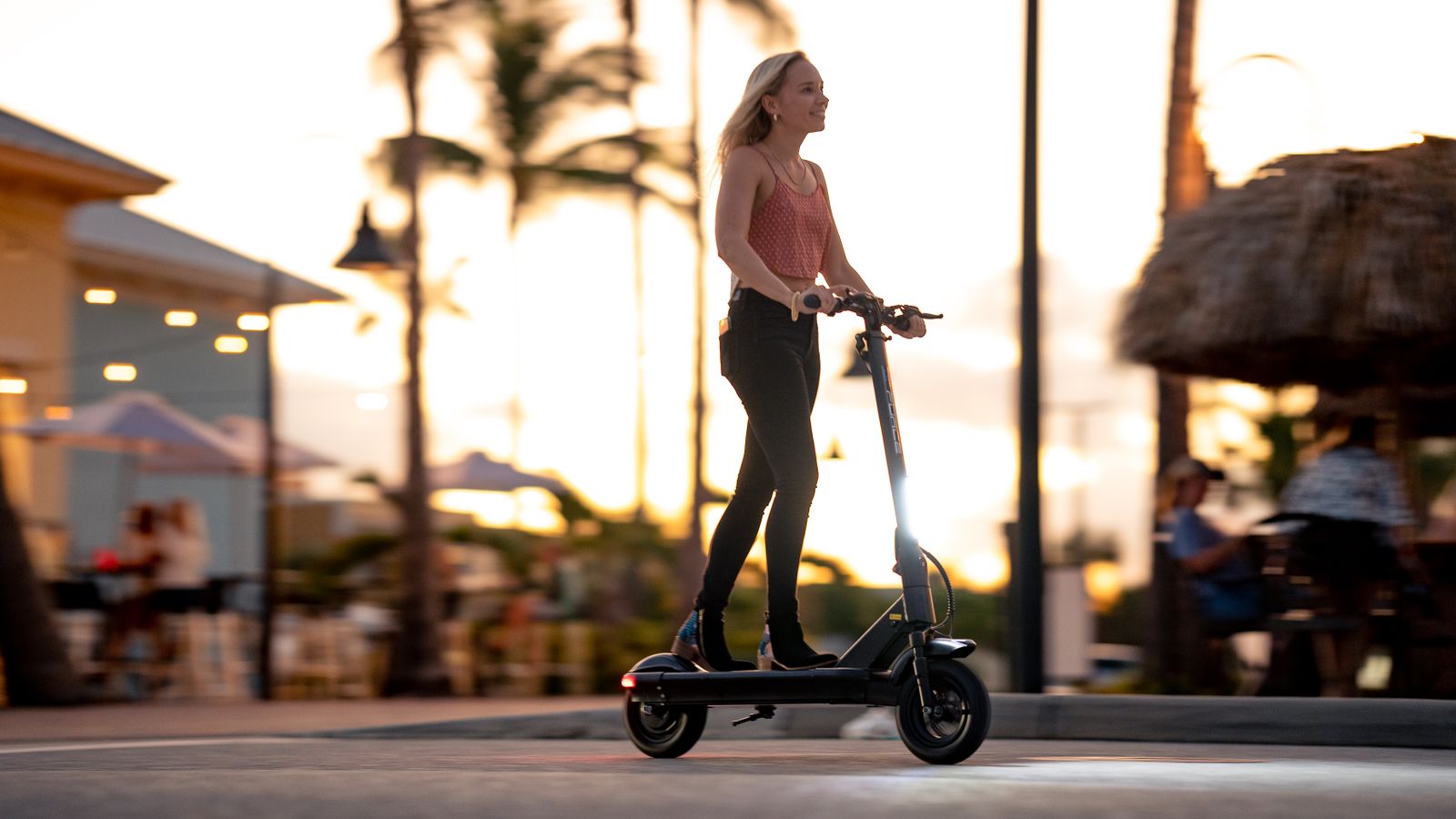
Lime, which is headquartered in San Francisco, is fitting its local scooter fleet with a camera-based system it calls Lime Vision. The cameras use artificial intelligence to tell whether a scooter is traveling on a street, a bike lane, or a sidewalk. Roughly 30% of the San Francisco fleet carries the hardware today, and Lime expects to outfit the entire local fleet by next year.
How Lime Vision works
When the system detects sidewalk riding, it doesn't slam on the brakes or cut power. Instead, it plays an audible alert from the scooter and sends a notification through the Lime app directing the rider to move to a permitted area. The alerts keep going until the scooter leaves the sidewalk or the rider ends the trip.
Parker Dawson, Lime's senior regional lead of government relations for the Pacific Northwest, described the sound as a way to make both the rider and everyone nearby aware that the scooter is somewhere it shouldn't be. "The audible alert very clearly makes you and others around you aware that the vehicle is not where it's supposed to be," he said.
Why now
The timing isn't random. San Francisco has watched e-scooter injuries climb — the San Francisco Municipal Transportation Agency counted 210 severe e-scooter injuries last year and another 116 in just the first six months of this year. Reports of sidewalk riding through the city's 311 system have also surged since 2024. For a city that has tried to make micromobility a core part of its transit story, those numbers are the opposite of the pitch.
The rollout, from Seattle to SF
San Francisco isn't the first test. Lime began rolling out Lime Vision in Seattle earlier this year, equipping roughly half of its Seattle fleet — about 3,500 scooters — with a goal of covering the entire fleet by the end of the year. The underlying technology has been in development since 2022, when Lime first piloted camera-based sidewalk detection on a few hundred scooters in San Francisco and Chicago. Before building its own system, the company tested third-party computer-vision hardware.
The privacy questions
Putting a camera on a shared scooter raises an obvious question: what happens to everything it records? Lime's privacy policy says images from camera-equipped vehicles are used to identify road and sidewalk boundaries and surroundings for safety. But it doesn't spell out how long Lime Vision footage is kept, whether it is transmitted or stored, or whether it is used for anything beyond safety detection. The policy does allow certain personal information to be shared with service providers, government agencies, and local authorities. Those gaps matter — a camera that can recognize a sidewalk is a camera that's recording a lot of the street around it.
Tech vs. rules: the bigger picture
Lime's cameras land in a country that's wrestling with micromobility safety in two very different ways. Some cities are reaching for regulation — Miami just banned e-bikes and scooters from sidewalks entirely, with a 20 mph cap, a 16-and-over age limit, and $100 fines. Read our breakdown of the Miami sidewalk ban to see how that route works.
San Francisco is taking a softer, tech-first approach: keep the scooters, but teach them to stay off the sidewalk. Neither strategy is a complete fix on its own. SF Supervisor Danny Sauter, who supports Lime's cameras, has been blunt that technology can't replace infrastructure — the city needs more protected bike lanes and more dedicated scooter parking, not just smarter scooters.
Bottom line
AI sidewalk detection is a genuinely useful step for a real safety problem, and Lime deserves credit for building it in-house rather than bolting on someone else's solution. But a camera that can scold you for riding on the sidewalk is also a camera that's watching. The technology will only feel like a win if Lime is as transparent about the footage as it is about the feature — and if cities keep building the bike lanes that give riders a reason to leave the sidewalk in the first place.
Sources
- SFist — Lime's AI-Powered Cameras Aim to Keep Scooters Off SF Sidewalks
- KRON4 — AI-powered cameras aim to curb San Francisco sidewalk e-bike, e-scooter riding
- GeekWire — Sidewalk scooter riders beware: AI-powered Lime Vision will soon call you out
- SFMTA — Scooter Sidewalk Riding Detection Technology Demonstration
- TechCrunch — Lime has built its own camera-based sidewalk detection technology