For years, e-bikes and scooters have occupied a gray zone in Miami: everywhere on the streets, increasingly everywhere on the sidewalks, and governed by rules that few riders — or drivers — could actually name. On October 22, the City Commission ended the ambiguity with a unanimous vote that formally moves motorized micromobility off pedestrian walkways and into bike lanes and slower city streets.
What the new rules actually say
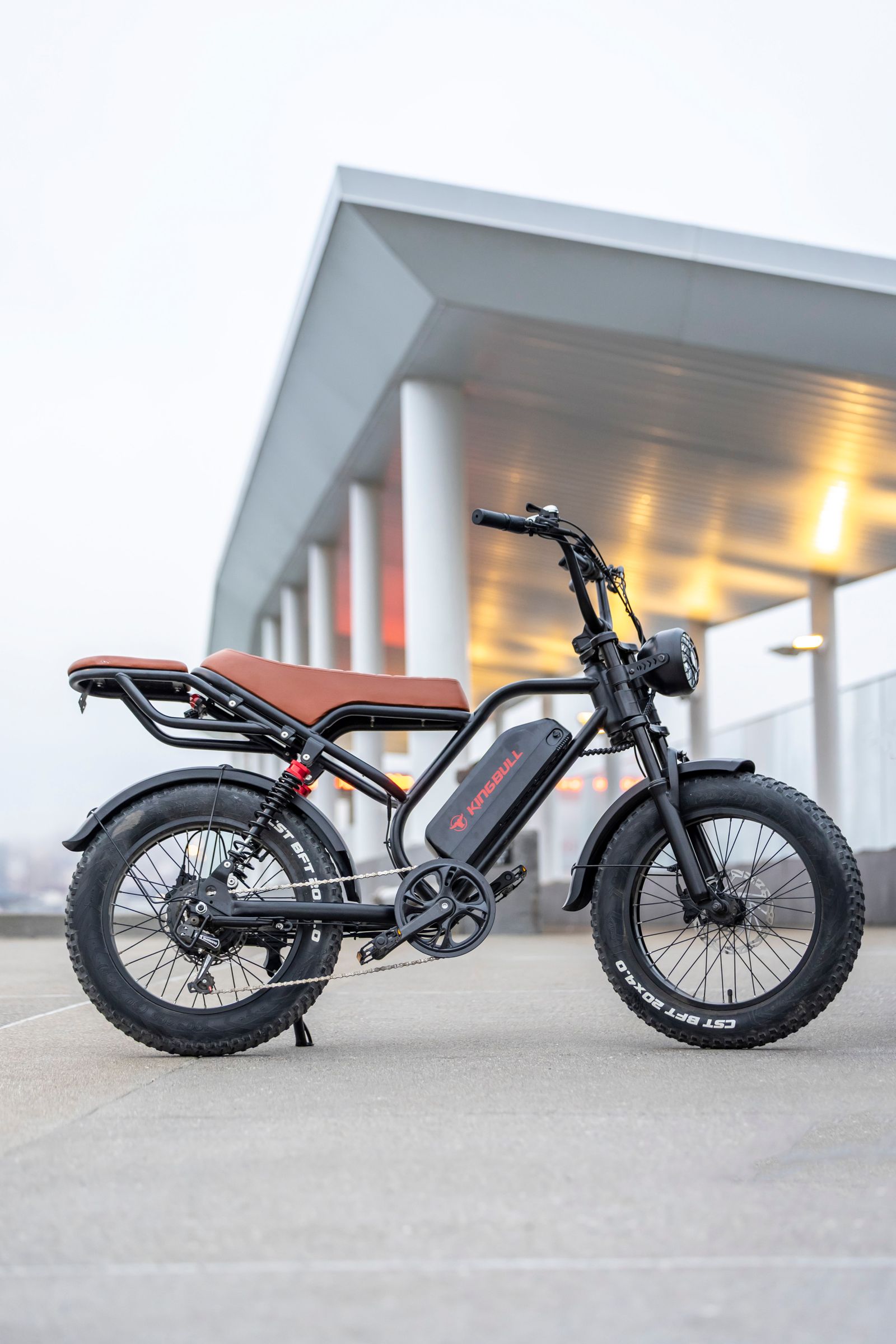
The ordinance is broader than a simple sidewalk ban. Riders must use a bike lane whenever one is available; where none exists, they can travel on city streets and road rights-of-way posted at 30 mph or less. The restriction applies to city-controlled roads, not county or state highways — a distinction one resident flagged at the meeting and that Miami officials will need to make clear on the ground.
Sidewalks and pedestrian walkways are now off-limits for riding, though you can still walk a device on the sidewalk. The top speed is capped at 20 mph, riders must be at least 16 years old, and anyone operating a device has to carry government-issued photo identification. The rules also generally limit devices to one rider unless the vehicle is designed for more than one person, with an exception that lets an adult carry a securely attached, helmeted child.
Why Miami acted now
The push came after a run of high-profile incidents. In early October, a 26-year-old man was killed in a hit-and-run involving an e-bike or scooter in the area of Northwest Seventh Avenue and Seventh Street. Commissioner Rolando Escalona, who sponsored the ordinance, paired a video with Miami Police Chief Edwin Lopez earlier in the month to spotlight one intersection — 17th Avenue and First Street — that had logged more than 26 accidents in roughly a year.
Miami has been here before. The city ran scooter pilot programs starting in 2018 but let them lapse over safety concerns, and commissioners deferred a permanent program in 2022 while searching for a more comprehensive approach. The new ordinance is the first time the rules have been written as a single, enforceable framework rather than a patchwork.
How enforcement will work
Violations carry a $100 civil fine, and each offense — and each day a violation continues — can be counted separately. Depending on the circumstances, riders can also be cited under state traffic laws, and citations can be appealed to a special magistrate. Police Chief Lopez said officers will be equipped to issue citations, but that education is the department's first step toward compliance, with stepped-up education and enforcement expected over the coming months.
For riders under 16 caught violating the rules, the ordinance takes a softer line: a child, parent, or guardian can receive a warning and educational materials rather than a fine. Wheelchairs and other power-driven mobility devices protected under the Americans with Disabilities Act are explicitly exempt.
What Miami riders should do now
The practical changes are simple. Keep e-bikes and scooters in the bike lane or on slower city streets, stay under 20 mph, and carry an ID if you're 16 or older. If you currently rely on sidewalk riding for safety — and many riders do, especially where protected bike lanes don't exist — the new law exposes a gap: Miami still has stretches where the only alternatives to a busy road are a sidewalk or nothing. If you're shopping for a street-legal ride, our Best Electric Scooters guide covers the models built for pavement, not pavement-adjacent detours.
That's the tension at the heart of the policy. Banning sidewalk riding is the easy, popular part; building enough safe, connected bike lanes so riders have somewhere to go is the harder, longer-term work. For now, commuters should check their routes and, where bike infrastructure is thin, expect to ride more defensively on city streets.
The bigger micromobility debate
Miami isn't alone. Cities across the country are wrestling with the same question of where e-bikes and scooters belong as sales climb and injuries rise. New York lawmakers have weighed more than 20 micromobility bills, and Orange County, Florida adopted its own speed limits and safety rules in late September. The pattern is consistent: devices arrived faster than the laws, and now local governments are catching up with rules that often arrive all at once.
For micromobility to keep growing as a real transportation option, regulation has to be paired with infrastructure. A 20 mph cap and a sidewalk ban can make streets safer for pedestrians in the short term, but the long-term fix is the same one cycling advocates have been asking for for decades — protected lanes that give small, vulnerable road users a place of their own.
Bottom line
Starting in early November, riding an e-bike or scooter on a Miami sidewalk can cost you $100. The change is aimed squarely at pedestrian safety, and it's backed by a unanimous commission and a police department that says education comes first. Whether it makes the streets genuinely safer will depend less on the fine and more on whether Miami follows the new rules with the bike lanes riders are now expected to use.