Waymo spent years building the case that robotaxis are ready for everyday streets. It recently pushed further, extending driverless rides onto freeways in the San Francisco Bay Area, Los Angeles, and Phoenix. That freeway expansion has now hit a wall — not from a rival or a technical failure, but from the regulator that licenses the cars in the first place.
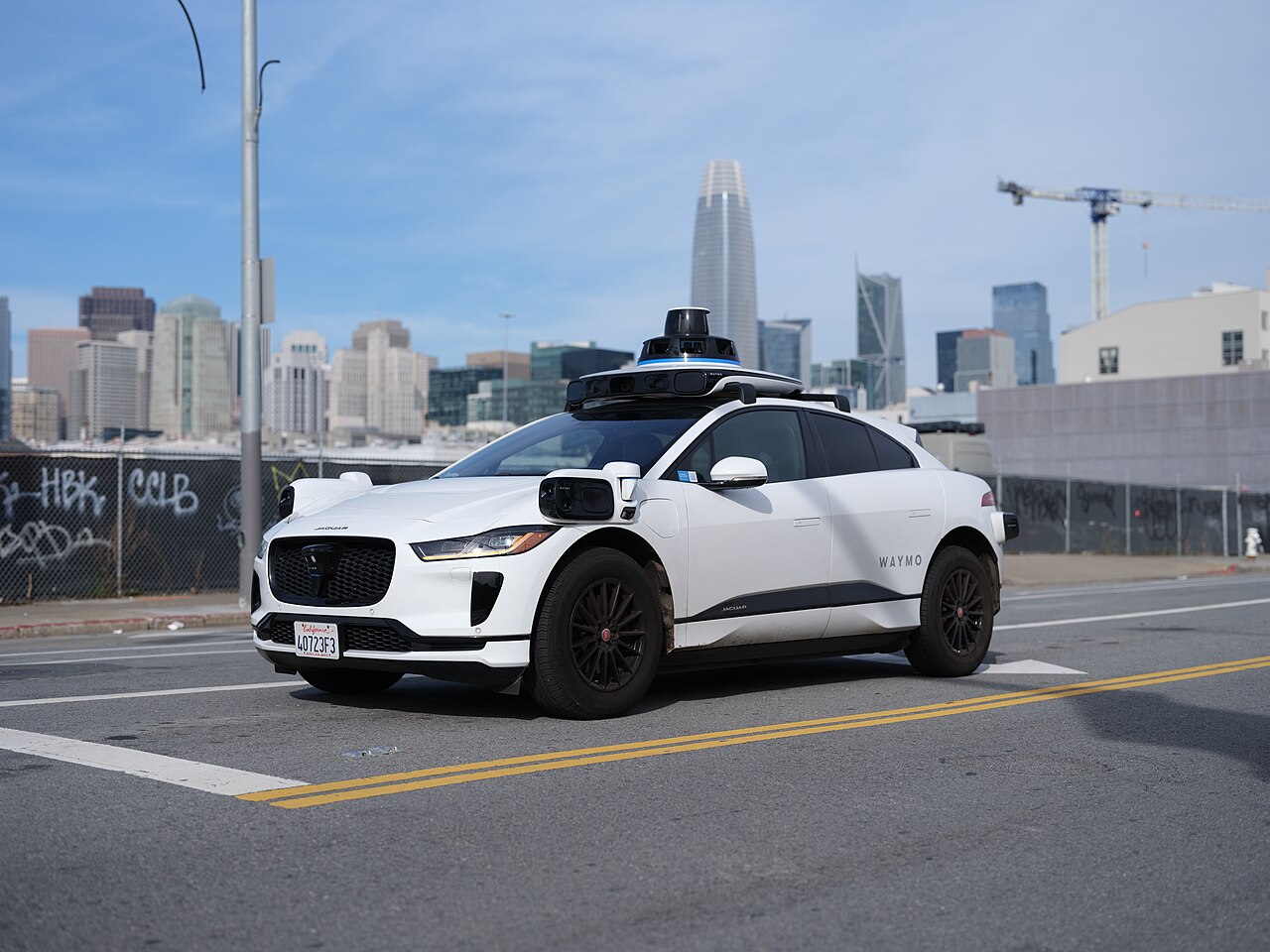
Image: Dllu, Wikimedia Commons, CC BY 4.0.

What happened
On Tuesday, November 17, the California Department of Motor Vehicles publicly confirmed it had issued a restriction a week earlier prohibiting Waymo from operating or testing its driverless vehicles on all California freeways. The DMV framed the move in unusually strong language, saying the vehicles "pose an imminent hazard to public safety."
The problem wasn't speed or sensor failure — it was road construction. The agency cited "recurring incursions by its vehicles into active construction zones where construction workers, vehicles and equipment are present." In other words, Waymo's cars were repeatedly entering areas they were supposed to avoid, putting road workers in close contact with a vehicle that has no human behind the wheel to make a quick judgment call.
The incidents behind the order
The DMV pointed to two recent episodes. In one, three Waymo vehicles entered an active construction closure near Burlingame, just south of San Francisco. In a separate incident, the cars were involved in a situation with California Highway Patrol vehicles in San Francisco. Neither event was a catastrophic crash, but for a regulator weighing public trust in autonomy, the pattern mattered more than the outcome.
Construction zones are widely considered one of the hardest environments for autonomous systems. Lane lines disappear, cones and barrels replace painted markings, flaggers signal by hand, and the rules of the road become temporary and locally specific. A system that handles a clear freeway perfectly can still fail when the road is actively being rebuilt.
Waymo's response
Waymo didn't fight the order in public. A spokesperson said the company has "restricted temporarily commercial rides on freeways in all markets where we operate that service," while noting it "continues testing on freeways with trained specialists behind the wheel."
That second clause matters. Waymo is not abandoning freeway autonomy — it's stepping back to supervised testing while it works out how its vehicles should behave around construction zones. The suspension covers the ride-hailing service, not the underlying development program. For a company whose pitch is that a robotaxi can one day replace your car on any road, the freeway remains a core part of the ambition, just one that's now on hold.
Why this matters for robotaxis
This is a setback for the fastest-expanding robotaxi operator in the country, and it lands at a telling moment. Waymo has been racing to add cities, extend hours, and now push onto higher-speed roads — the kind of routes that make a driverless ride actually useful for long trips rather than a short novelty hop.
The California order also draws a clearer line than we've seen before: the regulator isn't just approving where a robotaxi can drive, it's now actively pulling the technology back when it underperforms in a specific, high-risk context. That's a reminder that in autonomous driving, trust is earned and can be withdrawn — and that "recurring" problems, even without injuries, can be enough to trigger action.
For the rest of the industry, the lesson is practical. Freeways are the next frontier for commercial robotaxis, but construction zones are where that frontier gets tested. If the biggest player in the field can be ordered off the highway over work-zone behavior, every competitor's freeway rollout is suddenly under the same spotlight.
Bottom line
Waymo's freeway pause is a rare, visible step backward for the industry's leader — and a sign that the robotaxi's hardest roads are still the ones being repaved. No one was hurt, but the regulator decided the risk wasn't acceptable. The company will keep testing with safety drivers, and the freeway isn't going anywhere. But for now, the fastest robotaxis in America are stuck in the right-hand lane of a slower conversation about safety.