Since April 2026, Verne has been running what it calls Europe's first commercial robotaxi service in Zagreb — but there has always been a human in the driver's seat, ready to grab the wheel. That safety net is now coming off. The Croatian operator and its self-driving partner Pony.ai have begun carrying passengers with nobody up front, a step the companies frame as the bridge from "autonomous with a supervisor" to truly driverless operation.
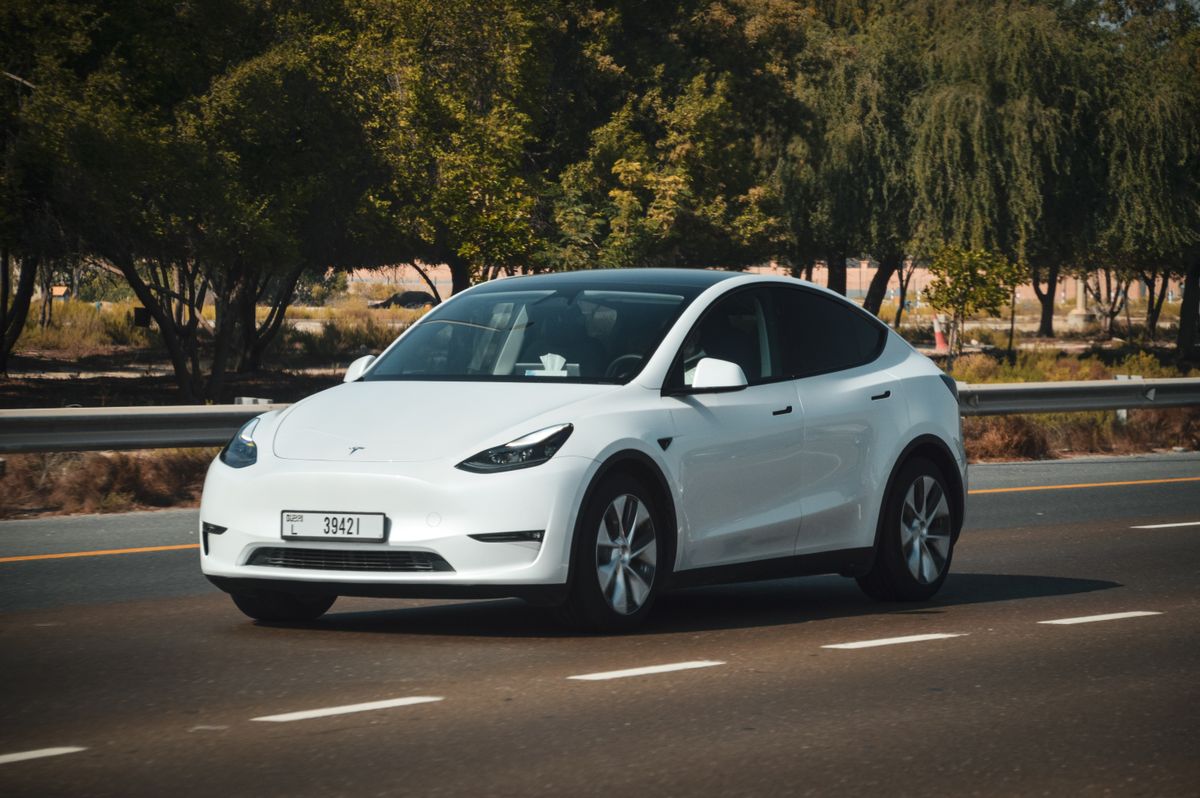
No safety driver — a European first
The difference between a robotaxi with a safety operator and one without is the whole point of the technology. As long as a trained human sits behind the wheel, the service is effectively a supervised demo. Removing that operator is what turns an experiment into a business — and it is the step no European city had reached before Zagreb.
Verne's CEO, Marko Pejković, has been blunt about the milestone. "Now we are beginning to test a fully driverless robotaxi service, with no operator in the vehicle anymore," he told reporters, calling the rides the first of their kind in Europe. "This is the first one in Europe."
That language matters because Europe has been conspicuously behind on the driverless frontier. Fully autonomous taxis already carry paying riders in the United States and China; in Europe, the default has remained a supervised service. Zagreb is where that gap starts to close.
The three-company stack
Zagreb's robotaxis are the product of an unusual three-way partnership. Verne — the Croatian operator founded by Mate Rimac and backed by Uber — runs the fleet and the rider experience. Pony.ai, the Chinese autonomous-driving company, supplies the self-driving stack that actually pilots the vehicles. And Uber provides a second booking channel, letting riders hail a car through the app they already have.
That structure is different from the vertically integrated approach of Waymo or Cruise, where one company builds the software and runs the fleet itself. Zagreb's model instead splits the technology, the vehicle operation, and the marketplace across three firms — a template that could make it faster for other cities to adopt, since no single partner has to do everything.
The 22-km route and early numbers
The driverless test rides run on a fixed route of roughly 22 kilometres (14 miles) linking Verne's headquarters to Zagreb's main airport. Verne's fleet of around 30 vehicles operates in the city centre, around the airport, and in selected nearby areas. The company says it began testing the no-driver configuration in August 2026, quietly validating it before inviting journalists aboard in October.
The early ridership figures are modest but real. Verne reports about 1,500 regular users in Zagreb, with more than 10,000 people on the waiting list. To keep demand flowing while the service matures, rides have been priced at a flat 1.99 euros — a deliberate choice the company says is aimed at gathering feedback rather than turning a profit. That feedback has been strikingly positive, with an average rating of 4.8 out of 5.
What's next: 2027 commercial rollout
Verne's stated goal is to open the fully driverless service to the public next year, then push it into other European cities. That is an ambitious timeline, and it rests on more than just engineering. A commercial, no-driver ride-hailing service needs regulatory clearance that a pilot test does not — the same gap that has slowed robotaxi expansion in other regions.
The competitive pressure is real. Last month, London became the second European city after Zagreb to launch a robotaxi service, though it keeps a safety driver in the vehicle for now. Being first to remove that driver is a genuine advantage, but it only pays off if Verne can convert its test rides into a licensed, scalable operation before rivals catch up.
Why this matters for robotaxis
Zagreb is unlikely to be the biggest robotaxi market in Europe by volume. What makes it significant is that it is the proof point. The city demonstrates that a driverless passenger service can operate on public European roads — with European regulators, European weather, and European streets — not just in the sunny, wide-open cities of the US Sun Belt or the tightly controlled test zones of China.
There is also a broader strategic story. Europe has largely watched the driverless race from the sidelines, and the arrival of a Chinese self-driving stack via a Croatian operator suggests the next phase of competition may be fought through partnerships rather than single-company dominance. Compare that with Waymo's careful, city-by-city push into Canada or the rivalry outlined in our Tesla FSD vs Waymo piece, and the field is clearly splintering into very different playbooks.
Bottom line
Europe's first driverless robotaxi rides are a genuine milestone, but they are a beginning, not an arrival. Verne and Pony.ai have proven the hardest part — a car carrying passengers with nobody behind the wheel — on a short, controlled route. Turning that into a commercial service in 2027, and then scaling it beyond Zagreb, is the harder test. For now, the continent finally has a driverless ride you can point to.