The micromobility boom has a well-documented dark side: the same compact, energy-dense lithium-ion batteries that make e-bikes and e-scooters so practical can also catch fire — sometimes with catastrophic speed and intensity. After years of piecemeal state and local rules, Washington has moved to put a single national standard on the books.
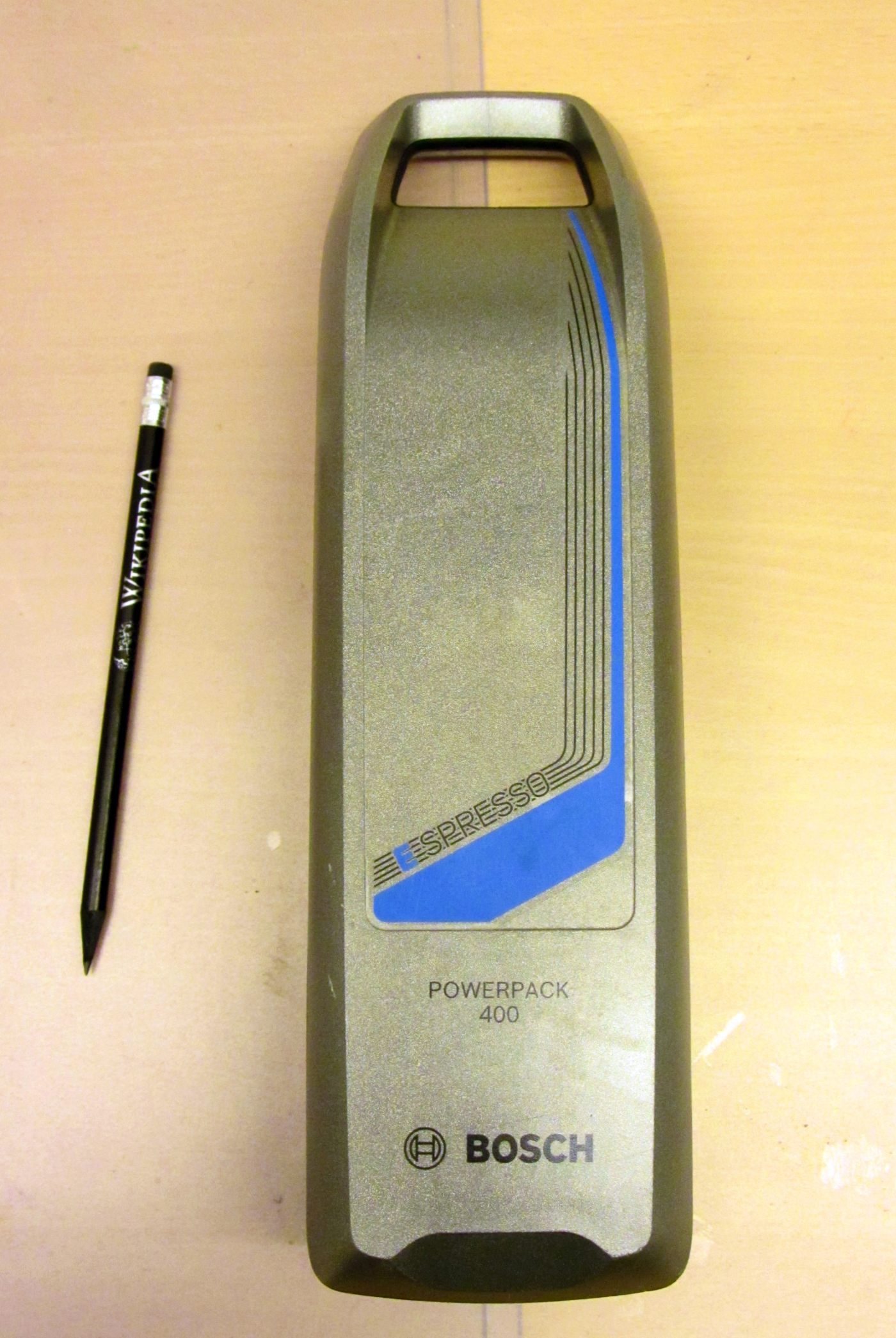
Image: Stefan Bellini, Wikimedia Commons, CC0.

What happened
The bill passed the Senate by unanimous consent on November 19, a sign of how uncontroversial the underlying idea has become after years of high-profile battery fires. It had already cleared the House with bipartisan support, and its sponsors include lawmakers from both parties in each chamber. The measure now goes to the President for signature — the final step before it becomes law.
The political breadth matters. Representative Ritchie Torres (D-NY) led the House bill, with Senator Kirsten Gillibrand (D-NY) driving the Senate version, and an identical companion measure (S. 389) had already passed the Senate Commerce Committee. For an issue that touches consumer safety, fire departments, and a fast-growing transport category, the bill has managed to stay broadly popular.
What the bill actually does
The core requirement is straightforward: within 180 days of enactment, the CPSC must issue a mandatory safety standard for rechargeable lithium-ion batteries used in micromobility devices. In practice, that means taking voluntary industry standards — most notably the ANSI/CAN/UL 2271 standard for batteries used in light electric vehicles — and turning them into enforceable federal rules.
That distinction between voluntary and mandatory is the whole point. Right now, a responsible manufacturer can build to a recognized safety standard, but a cut-rate importer can skip it entirely and still legally sell a battery that becomes a hazard the moment its cells are damaged, overcharged, or paired with the wrong charger. Making the standard mandatory removes that gap.
Why these batteries are a fire risk
Lithium-ion batteries store a lot of energy in a small space, and when they fail they can enter a runaway reaction that produces intense heat and toxic smoke in seconds. The risk spikes when batteries are cheaply made, physically damaged, charged with incompatible hardware, or left charging unattended indoors — conditions that are common in the crowded, fast-turnaround world of shared and budget micromobility.
The human toll is documented but likely undercounted. New York City's fire department has attributed 46 deaths and 628 injuries to lithium-ion battery incidents since it began tracking in 2019, and the city recorded hundreds of battery-related fires in 2026 alone. Because those fires often happen in apartments, the danger reaches neighbors who don't own the device at all.
What happens next
The bill still needs the President's signature before its 180-day clock starts, and consumer groups including Consumer Reports are urging a quick sign-off. The CPSC has already done much of the groundwork: it proposed a rule addressing micromobility batteries and electrical systems in June 2026, but that process remains unfinished. Once the bill is signed, the agency gets a hard deadline to finish the job.
For riders, nothing changes overnight. A signed law won't make every battery on the road instantly safe, and the standard will primarily shape what gets sold going forward rather than what's already in garages and apartments. But for a category that has grown faster than its safety rules, a national baseline is a meaningful step toward making the short trip — and the battery that powers it — a lot less risky.
Bottom line
The Senate's unanimous vote is the clearest sign yet that micromobility has matured past its unregulated adolescence. E-bikes and e-scooters aren't going away — if anything, they're becoming central to how cities move. What's changing is the expectation that the battery under your seat meets the same kind of mandatory safety baseline as every other consumer product that stores serious energy. That's a win for riders, for firefighters, and for a mode of transport that deserves to be judged on its range and value, not its rare but devastating failures.
Sources
- International Association of Fire Chiefs — Congress passes legislation to make micromobility devices fire safe
- Technobezz — E-bike battery safety bill clears Senate with 180-day deadline
- The Straits Times — As e-bike battery fires mount, New York weighs tougher restrictions
- U.S. GovInfo — H.R. 973, Setting Consumer Standards for Lithium-Ion Batteries Act (bill text)